
How old is too old to be scared of shots? A developmental guide
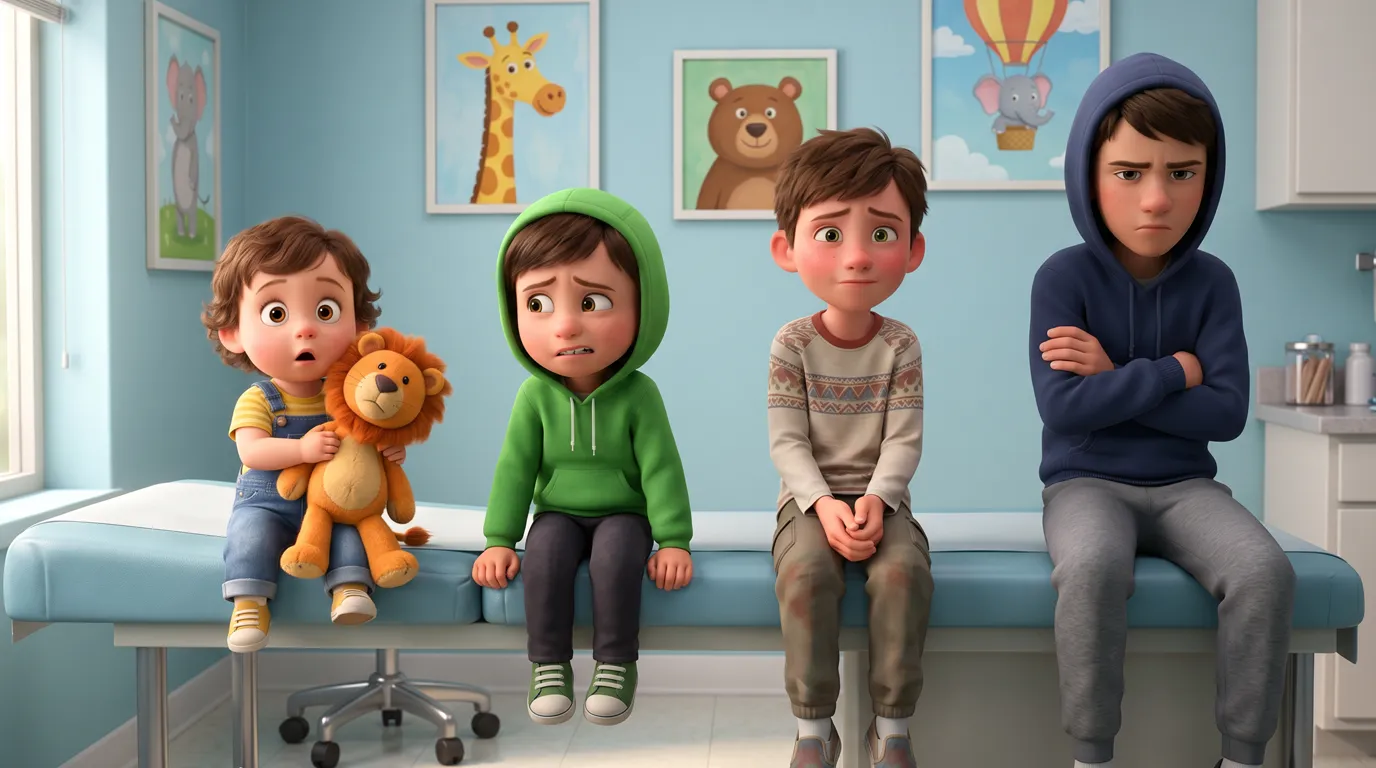
One of the most common things parents wonder is whether their child’s fear is normal for their age. The answer is almost always yes — but the form that fear takes, and the most effective responses to it, change considerably as children develop.
Ages 2–3: Pure sensory response
At this age, fear of injections is almost entirely sensory and immediate. Toddlers don’t anticipate; they react. They don’t remember last year’s shot in the same way older children do, but they respond intensely to unfamiliar environments, restraint, and the sensation of being held still.
What helps: physical comfort from a known caregiver, short lead times (minutes, not days), a familiar toy, and a fast, confident clinical team. Distraction is highly effective at this age precisely because toddlers are so easily redirected.
Ages 4–7: Memory enters the picture
This is the age group where needle fear becomes most entrenched. Children now have sufficient memory to remember previous injections and to begin anticipating future ones. Anticipatory anxiety — the dread that builds before the appointment — begins here.
What helps: honest, age-appropriate preparation (not too early, not too detailed), language that emphasizes the endpoint (“it’s over in a second”), choice where possible, and strong visual distraction during the procedure. This is the highest-leverage age group for positive early interventions.
Ages 8–12: Cognitive processing and peer awareness
School-age children process fear more cognitively. They understand what a vaccination is and why it’s happening. They may be embarrassed by their own fear, particularly if they’re aware that peers don’t share it. This combination of understanding and embarrassment can actually intensify distress.
What helps: acknowledging the fear without amplifying it, giving them information and agency, treating the appointment as matter-of-fact rather than a big event, and still using distraction — though the form changes. Active engagement works; passive entertainment less so.
Ages 13–16: Autonomy and control
Teenagers are the most under-served group in pediatric pain management. Their fear is real and measurable, but they are often expected to simply tolerate it. Clinics that treat adolescents as capable partners in their own care — explaining what’s happening, offering genuine choices, and not minimizing their experience — consistently report better outcomes.
What helps: respect for autonomy, honest information, controlled breathing techniques, and not treating the appointment as something that requires “toughness.” MedBuddy®’s teen-friendly figurine designs are intentionally developed to be something a 14-year-old can engage with without embarrassment.
When to talk to a pediatrician
If your child’s fear is severe enough to delay or prevent vaccination, to cause significant distress in the days before an appointment, or to involve physical symptoms like nausea or fainting, it’s worth a conversation with your pediatrician. True trypanophobia — clinically significant needle phobia — affects approximately 10% of the population and responds well to targeted interventions.